
ADA SIGNAGE
ADA Signage Built for Accessibility
Tactile, Braille, room identification, directional, and regulatory signs planned around the facility, brand, and applicable requirements.
North American Signs plans, fabricates, and installs ADA signage for new construction, renovations, replacements, and multi-site programs.
ACCESS AND IDENTIFICATION
How ADA Signage Supports Safer, More Accessible Spaces
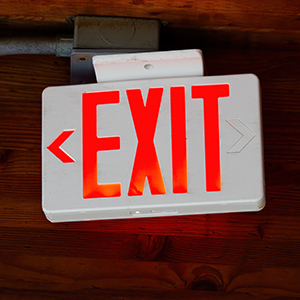
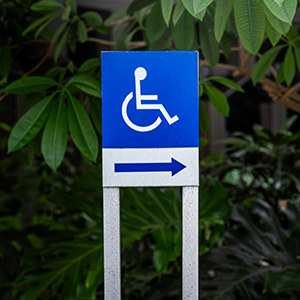
ADA signage helps people identify rooms, locate destinations, understand rules, and navigate accessible environments. Depending on sign function, it may require tactile characters, Grade 2 Braille, visual contrast, compliant typography, mounting heights, and specific placement. Common types include tactile room identification, restroom and amenity signs, exit and stair identification, directional and wayfinding signs, accessible entrance and route markers, parking signs, and other regulatory or informational signage. Exact requirements vary by sign purpose, building conditions, local codes, and the authority having jurisdiction.
Facility owners, architects, contractors, and design teams rely on ADA signage during new construction, renovations, room changes, and multi-site updates. The sign schedule must account for each space, message, mounting location, tactile requirement, visual contrast, and local interpretation—not simply apply one standard sign everywhere.
North American Signs coordinates ADA signage as part of a complete signage program—not an isolated handoff. Our team can survey existing conditions, develop sign schedules, coordinate code-aware design, fabricate branded sign families, manage installation, and document completed locations.

Common Applications
Healthcare facilities and medical offices · Schools, universities, and public buildings · Corporate offices and multi-tenant properties · Hospitality, retail, and entertainment venues
WHAT YOU CAN EXPECT
Built Around Your Brand, Site, and Goals
Every sign is configured for its environment rather than pulled from a shelf. These four priorities help teams compare options and move toward a well-scoped request.
Made to Order
Configured around site conditions, dimensions, visibility, code, materials, lighting, and brand standards.
Brand-Matched
Colors, typography, finishes, graphics, and proportions are coordinated to support a recognizable customer experience.
Site-Ready Planning
Survey information, mounting, power, permitting, access, logistics, and field conditions inform the final scope.
Installation & Support
Delivery, installation coordination, closeout, service access, and future maintenance are considered from the start.
WHAT WE DELIVER
ADA Signage We Plan and Deliver
NAS supports individual replacements, new construction, renovations, and multi-site standards with signage coordinated around accessibility, brand, and the building.
Tactile, Braille & Room Identification
Permanent room names and numbers, restrooms, stairs, exits, and other identification signs with tactile copy, Grade 2 Braille, contrast, and coordinated mounting.
Directional, Wayfinding & Accessible Routes
Directional signs, directories, accessible entrance markers, route information, and destination identification that help people move through the facility.
Regulatory, Informational & Branded Systems
Accessible parking, symbols, rules, amenity identification, and coordinated sign families using durable materials and brand-compatible colors and finishes.
PLAN WITH MORE CONFIDENCE
Get the ADA Signage Planning Guide
Use this guide to get familiar with common ADA sign types, the project information teams should gather early, and the decisions that help an accessible sign package move forward with fewer surprises.
- Common ADA sign types and functions
- Helpful planning information to collect
- Questions to address before fabrication
DECISIONS THAT SHAPE THE RESULT
How NAS Supports ADA Signage Projects
- Scope and sign types: Survey existing conditions, review plans and message schedules, identify required sign functions, and account for local interpretations.
- Accessible design: Coordinate tactile copy, Braille, contrast, typography, symbols, mounting, materials, and brand standards.
- Fabrication and installation: Produce durable sign families, verify location details, coordinate installation, document completion, and plan future updates.
WHY CLIENTS CHOOSE NORTH AMERICAN SIGNS
One Partner. Clear Accountability.
North American Signs connects design, engineering, permitting coordination, manufacturing, installation, and ongoing support through one accountable team. That integrated approach helps protect brand standards, reduce handoff friction, and keep signage decisions aligned from concept through completion.
Clients gain a coordinated path for decisions, documentation, execution, and long-term support without losing visibility at each stage.
HOW YOUR PROJECT MOVES FORWARD
From First Conversation to Finished Result
The scope is tailored to the project, while the decision-making and delivery process stays clear through four accountable stages.
01 · Assess
We confirm the audience, business goal, locations, site conditions, stakeholders, constraints, and definition of success.
02 · Define
We turn the findings into recommendations, a documented scope, responsibilities, schedule, budget path, and approval plan.
03 · Execute
Our teams coordinate design details, engineering inputs, production, quality checks, logistics, and site readiness.
04 · Complete
We coordinate installation or final delivery, verify the result, document closeout, resolve remaining items, and plan ongoing support.
ANSWERS FOR YOUR PROJECT
What to Know About ADA Signage
These answers address the practical questions clients raise when comparing options, defining scope, and preparing a project for approval and delivery.
What types of ADA signs does NAS provide?
NAS provides tactile and Braille room identification, restroom and amenity signs, exit and stair signs, directional and wayfinding signs, accessible entrance and route markers, parking signs, and coordinated regulatory or informational sign families.
Which ADA signs need tactile characters and Braille?
Permanent room and space identification signs are common examples. Requirements depend on sign function, location, applicable standards, local codes, and the authority having jurisdiction, so each project should be reviewed individually.
Can ADA signage match our brand?
Yes. Colors, materials, shapes, finishes, and typography can often support the brand while the required tactile copy, Braille, contrast, symbols, mounting, and readability criteria are maintained.
Ready To Start Your Next Project?